The Museum of Modern Art ↗
Think You
Know MoMA?
Think Again.
There's more to the museum
than its masterpieces.
The Museum of Modern Art ↗
The museum we imagine
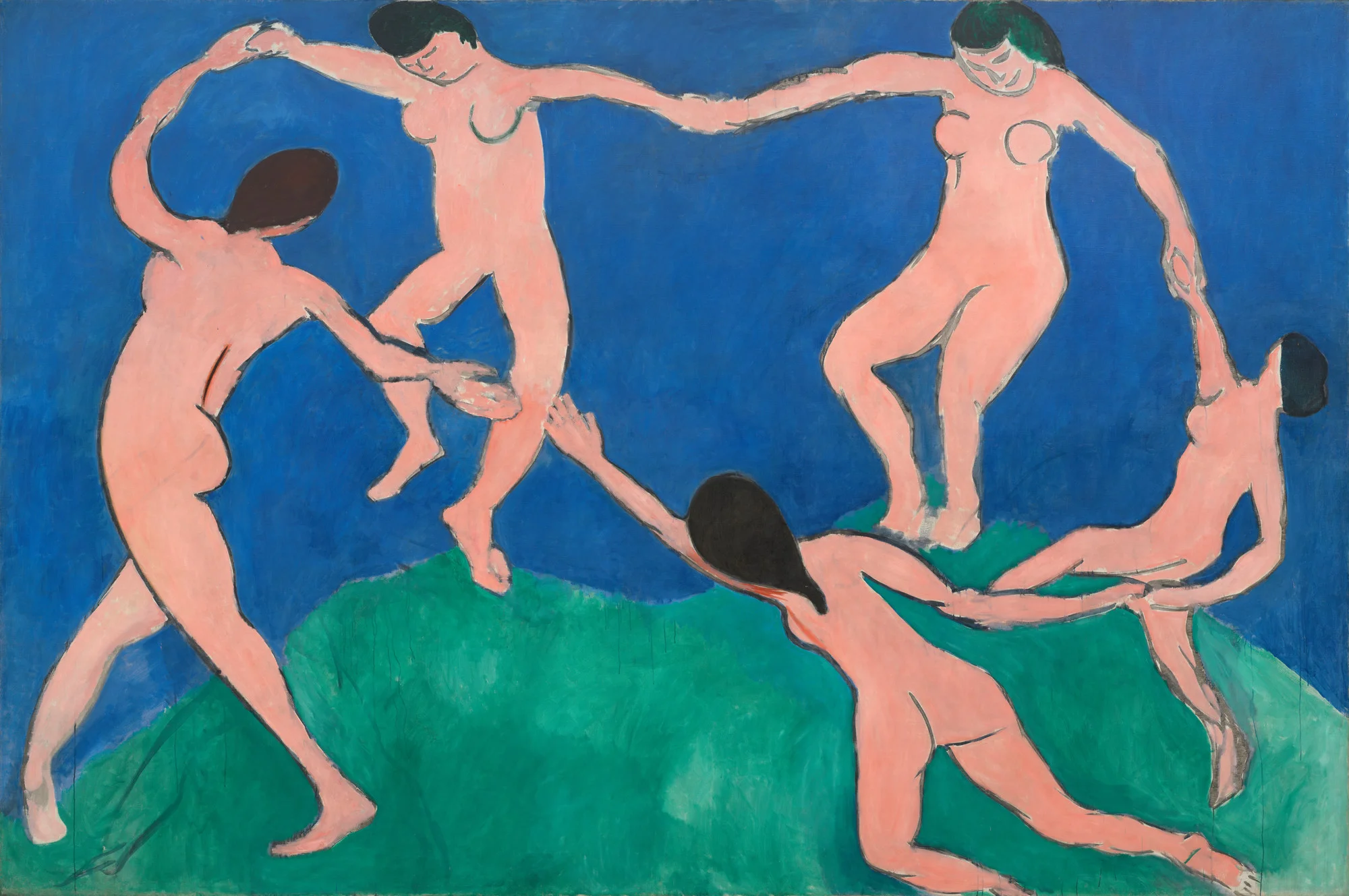
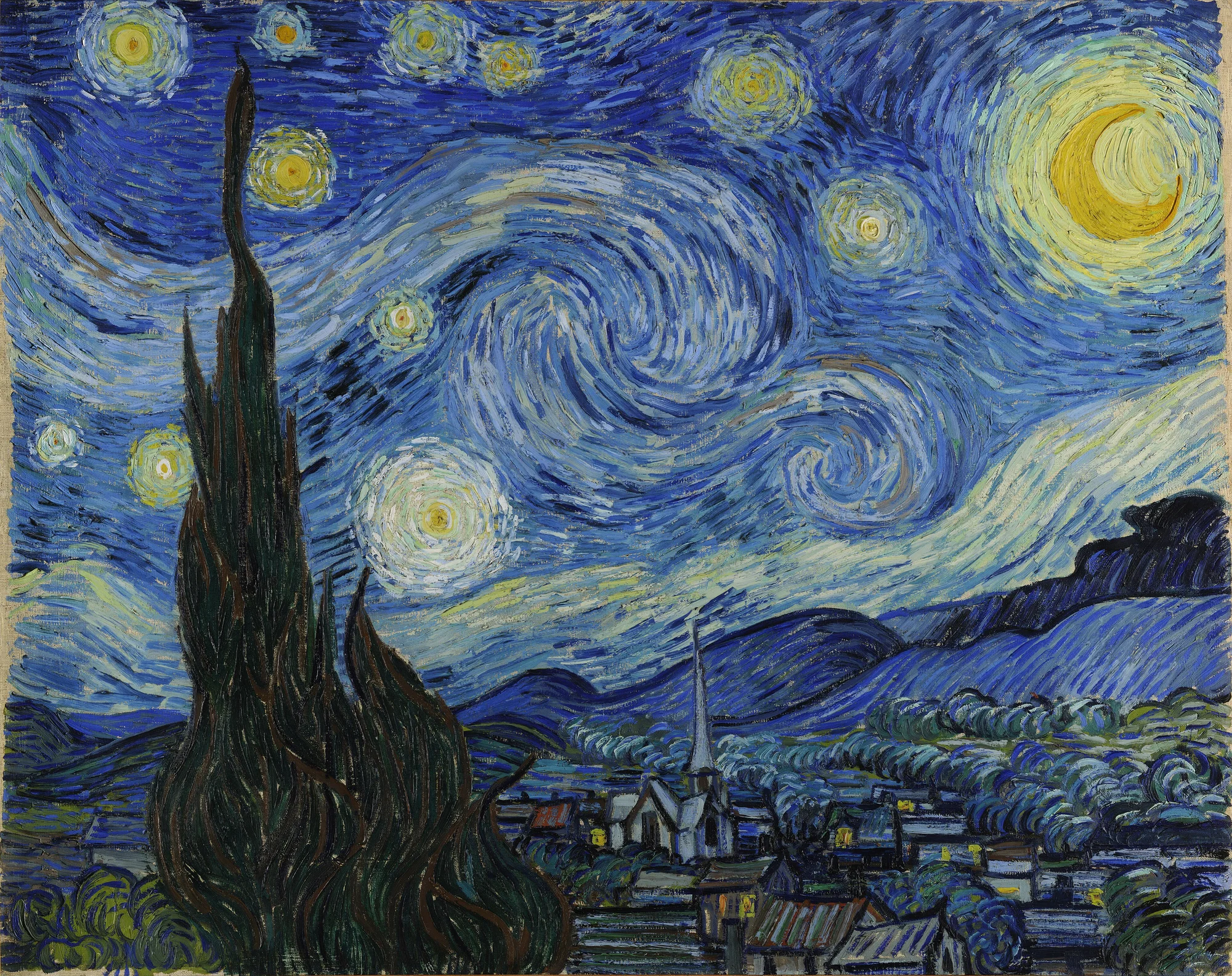
Mention New York's Museum of Modern Art (MoMA), and paintings like Van Gogh's The Starry Night or Matisse's Dance (I) probably come to mind.
The collection tells a different story
Yet the collection tells a different story. Among more than 160,000 records in the dataset analyzed here, paintings account for just 1.5%, compared with 21.8% for photographs—roughly fourteen times as many.
So what does MoMA's collection look like beyond its best-known works?
01 — What
More than
paintings.
Prints make up 20.8% of collection records, followed by illustrated books at 17.6%. Together with photography, these categories account for more than 60% of the dataset.
Hover or tap the circles to explore the collection.
Beyond the frame.
From furniture and graphic design to architectural drawings, MoMA's holdings stretch well beyond traditional fine art. The familiar masterpieces are only a small part of what the museum preserves.
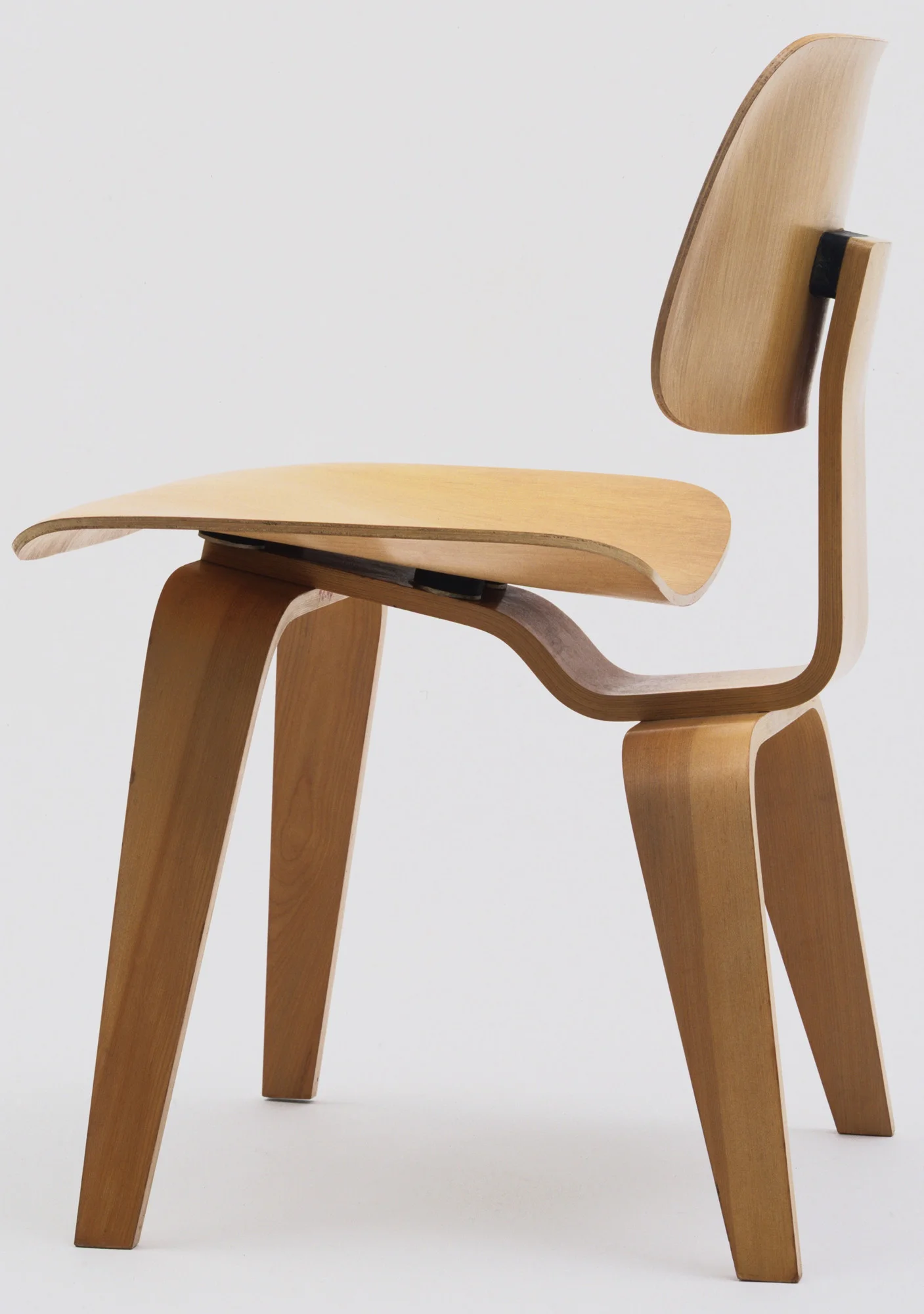
Side Chair (DCW)
02 — Where
A global collection.
An uneven picture.
Artists from around the world appear in MoMA's collection, though some countries are represented far more heavily than others.
Among artists with mapped nationalities, 40.97% are American. Germany follows at 7.51%, while the United Kingdom, France, and Italy also rank among the top five. Together, these countries account for roughly 66%.
A collection within
a larger history.
The concentration sits within a larger history of modern art. Paris was a major artistic center in the early twentieth century, while New York rose to international prominence after World War II. These shifts offer context, though they cannot fully explain the distribution.
03 — When
How collecting
priorities have shifted.
MoMA's collection has grown through changing interests and priorities. Looking at acquisitions by decade reveals how the balance between artistic categories has shifted.
Use the play / pause control or the timeline to explore each decade.
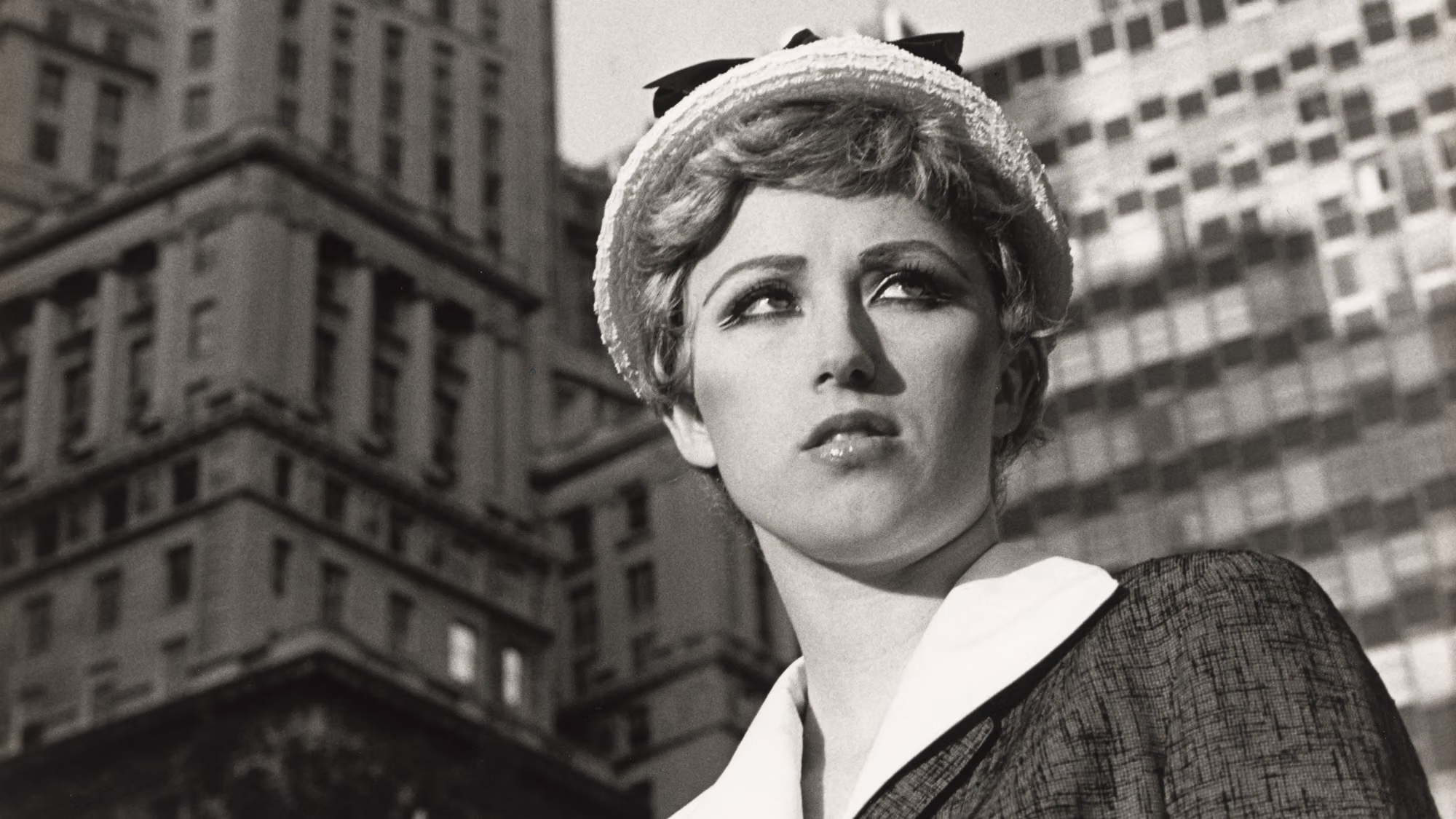
A closer look / Photography
Anything
but steady.
Photography is a particularly striking example. Its share of recorded acquisitions rose from 11.7% in the 1950s to 31.3% in the 1980s, fell to 19.6% in the 2000s, then reached 33.0% in the 2010s.
- 1950s11.7%
- 1980s31.3%
- 2000s19.6%
- 2010s33.0%
The pattern is anything but steady. Other categories tell their own stories, which the interactive chart allows readers to explore.
Select art categories in the chart to compare their trajectories.
04 — Why
Who shapes
a museum's collection?
Donations can change the picture. In 2005, MoMA acquired the Judith Rothschild Foundation Contemporary Drawings Collection, adding more than 2,500 works on paper. Source ↗
But donations are only part of the story. MoMA's founding director, Alfred H. Barr, Jr., offered another perspective on how a museum's collection takes shape.
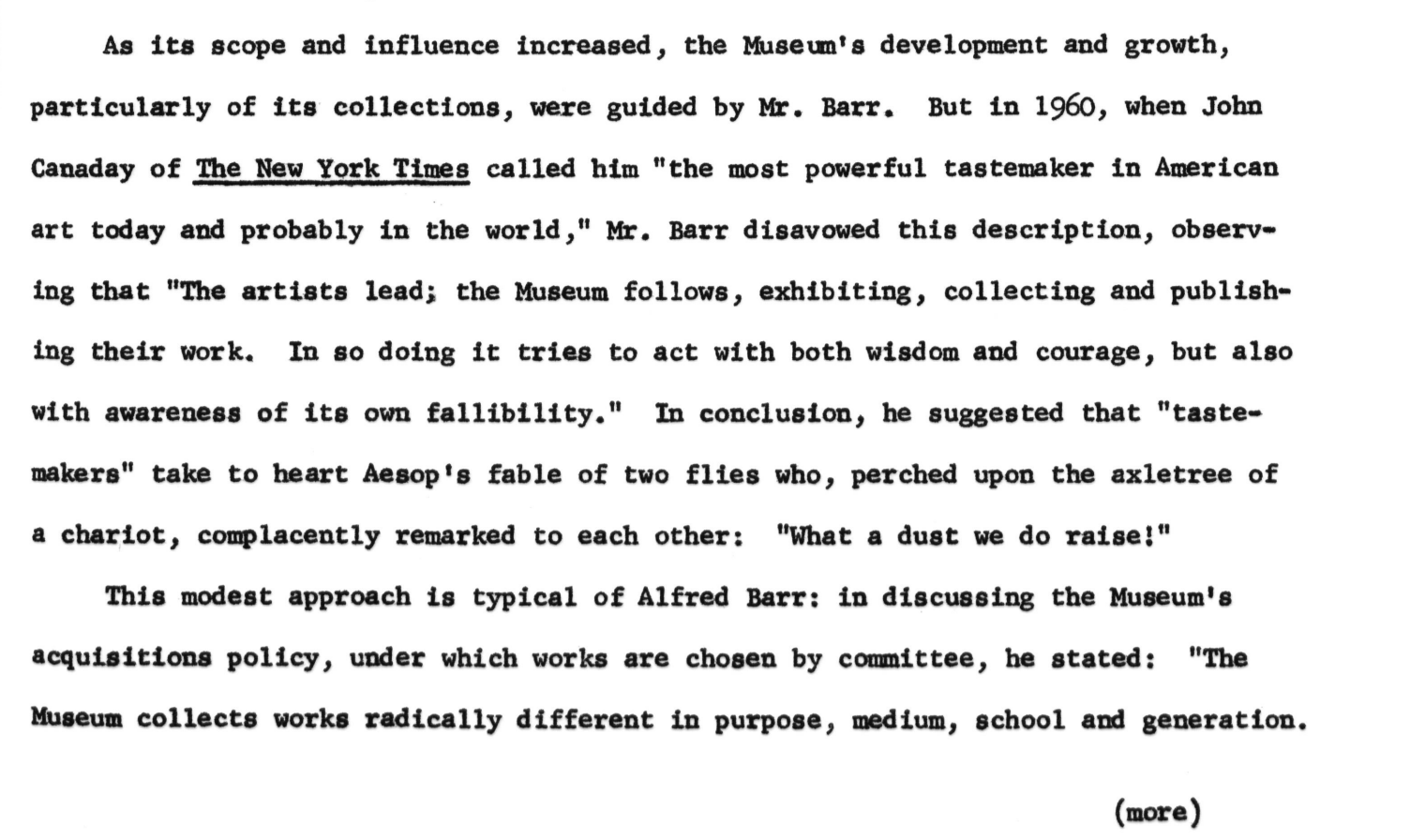
But museums don't simply follow. Barr's words suggest that collecting responds to the evolution of art itself. Yet museums also decide which works to preserve and present. These choices help shape the art history visitors encounter.
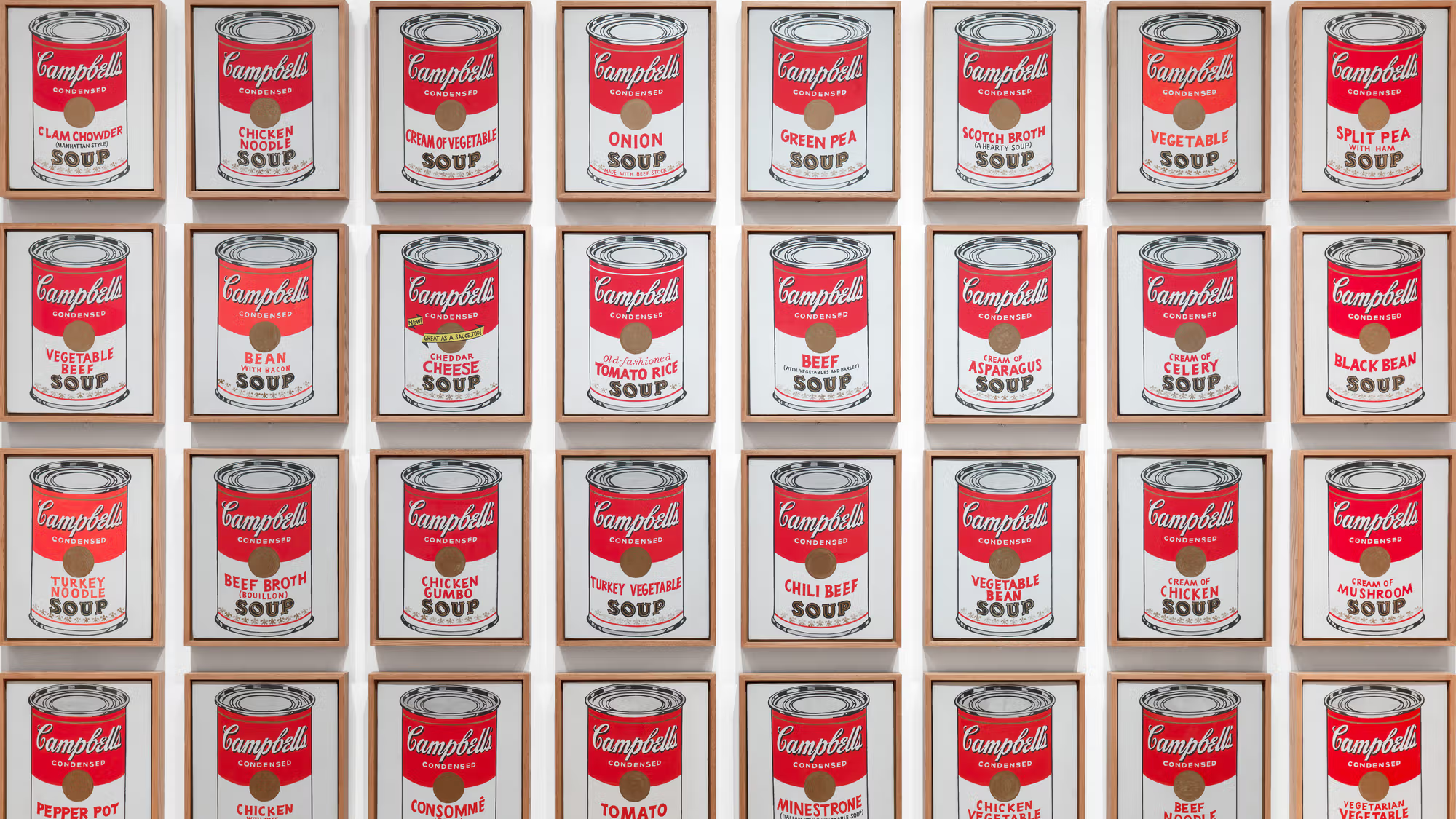
Art itself keeps changing. MoMA began collecting photography in 1930, long before the medium reached its later prominence in the acquisition data. Source ↗
These examples offer context, though the charts cannot establish what caused individual shifts.
A different way to see MoMA
MoMA's collection is more than a record of artistic achievement. It also reflects the people, institutions, and decisions that helped shape it.
The next time you visit a museum, there's another question worth asking: